


If I looked at your calendar without knowing anything about you, what would I assume you value?

Is this what you actually value?
Would I see your health? Your relationships? Your creativity? Your career? Your family? Your friendships? Your own wellbeing?
Or would I mostly see meetings, errands, obligations, appointments, and everyone else’s needs?

Before you start to feel guilty, I want to tell you there is a gap between priorities and reality. Most women aren’t intentionally choosing a calendar that doesn’t reflect their values.
They’re responding.
One thing happens.
Then another.
Someone asks for something.
A deadline appears.
A family need comes up.
And suddenly the week is full.
There’s a difference between having priorities and prioritizing them.
Here are some examples:
My health matters.
But if there is never space for movement, rest, appointments, or nourishing meals, our calendar is telling a different story.
My family is important to me.
But if we're so overextended that we're exhausted every evening, we're not necessarily experiencing the family life we value.
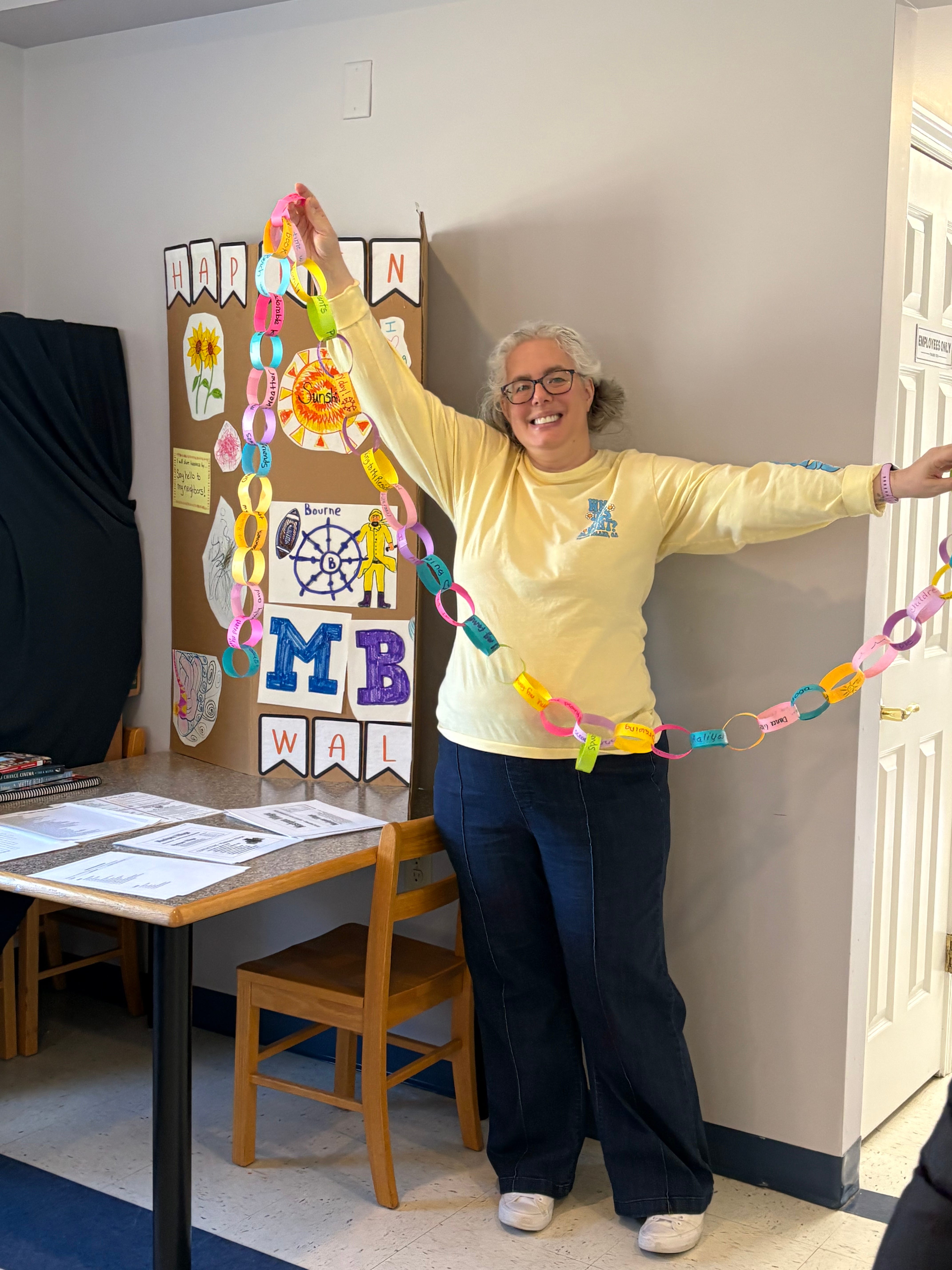
Let me give you an example from my life:
I used to say that I wanted to prioritize self-care. I even wrote an e-book about 20 self-care ideas you probably never thought of. Self-care or time to my self was the first thing sacrificed when the family or a friend needed something. I’d push it to the back burner when I felt behind at work, and I’d spend a Saturday afternoon in my classroom grading instead of resting.
I put myself last. I was not prioritizing something I said was a priority.
The result? As a teacher, I burned out quickly. I lost passion and energy for the job. Even though I had summers off, during the school year, I over worked myself. I never drew a line in the sand, and it affected not only me, but my family.

Then I started working from home for myself. I was no longer controlled by a school bell. I needed to get organized and get a schedule in place. I tried so many different planners, templates, and workbooks that promised to help me be more productive. I also tried time-blocking in my planner and on a Google Calendar. I read a ton of books too. Books that promised to have the hidden secret.
None of this was working. I have a ton of planners and workbooks with only a few weeks filled out. It was too much to keep up with; I was so busy trying to fill in all the blanks and check all the boxes, my real tasks were falling apart.
I started to borrow things that actually worked for me. I have taken a course offered by Steph Crowder every year for several years called Year on the Wall. I borrowed some of this. I also borrowed from the original bullet journaling system. I also just used some systems I just think of as common sense.
And what made the biggest difference wasn’t the planner itself.
It was learning to ask:
What actually deserves a place in my week?
If you were to sit down with my planner right now, you’d see I value:
volunteering with Alpha Chi Omega
working on my business (this one, Beyond the Chrysalis)
Time with my family
My health (lots of doctor appointments, but not in a bad way)
Rest (the weekends are sometimes empty except for laundry and groceries)
How did I get here?
I stopped saying yes to everything.
I started asking whether something aligned with my goals, values, or what I actually wanted.
I began planning my week intentionally instead of simply reacting to it.
Being in survival mode sucks. What gets you out is simple systems, boundaries, and learning to put you first.
These will be topics in covered in my workshop next week on September 16th. The workshop is called You’re Not Bad at Time Management. I’d love for you to join us!